
Pineapple leaf fiber made, Recycle & Eco greige | High-Performance Textile Manufacturer | U-LONG
Pineapple leaf fiber made, Recycle & Eco greige manufacturer. Why Choose Pineapple Leaf Fiber :
1. Easy to obtain: pineapple is one of the economic crops widely planted in Taiwan, and pineapple leaves are easy to obtain.
2. Easy to plant: Pineapple does not require special water supply during the growth process, and it can also be planted in dry land.
3. Fast Growth: Bromeliads are herbaceous plants that grow faster than woody plants.
4. Easy to transport: Pineapple mainly grows on plains or hills, which is easier to transport than woody plants and saves fuel.
5. Carbon and water footprints of pineapple leaf fibers U-long is a high-quality Pineapple leaf fiber made, Recycle & Eco greige manufacturer from Taiwan since 1983.
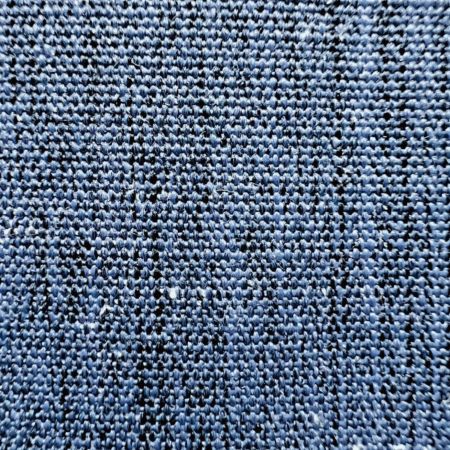
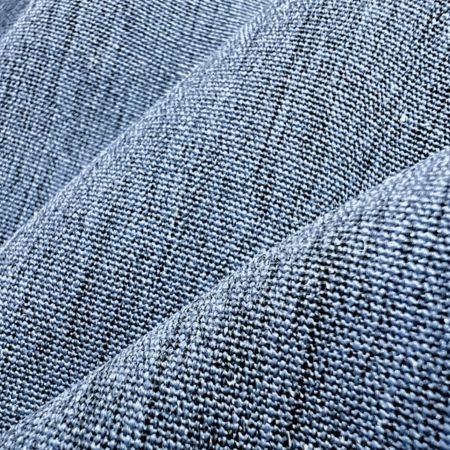
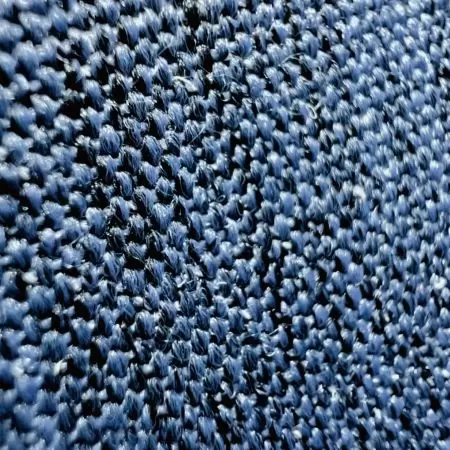
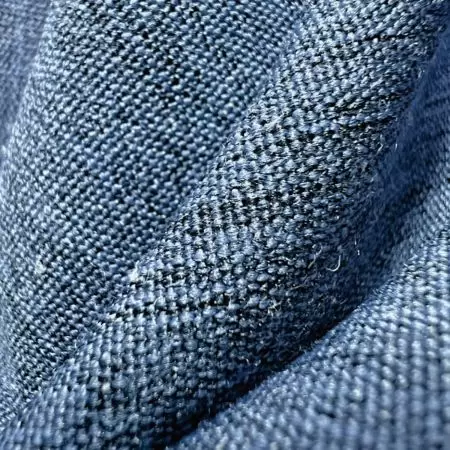
Pineapple leaf fiber made, Recycle & Eco greige
Q22R001
Why Choose Pineapple Leaf Fiber :
1. Easy to obtain: pineapple is one of the economic crops widely planted in Taiwan, and pineapple leaves are easy to obtain.
2. Easy to plant: Pineapple does not require special water supply during the growth process, and it can also be planted in dry land.
3. Fast Growth: Bromeliads are herbaceous plants that grow faster than woody plants.
4. Easy to transport: Pineapple mainly grows on plains or hills, which is easier to transport than woody plants and saves fuel.
5. Carbon and water footprints of pineapple leaf fibers
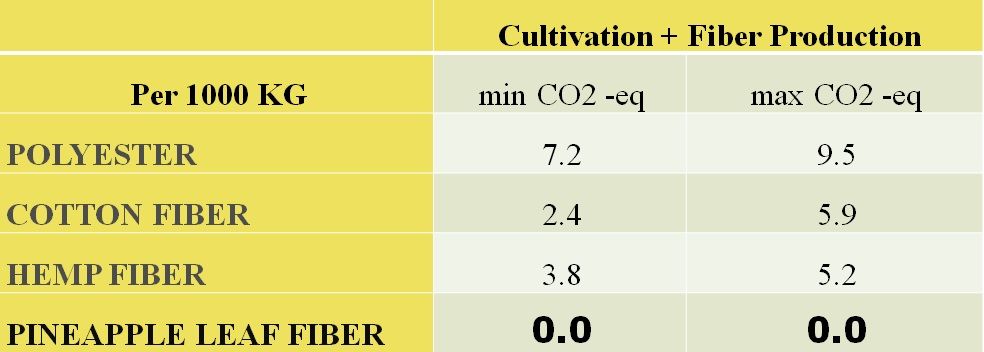 Note: Pineapple leaf fiber belongs to agricultural waste, and no additional water, electricity or fertilizers are used in the production process. Therefore the calculated emissions is Zero.
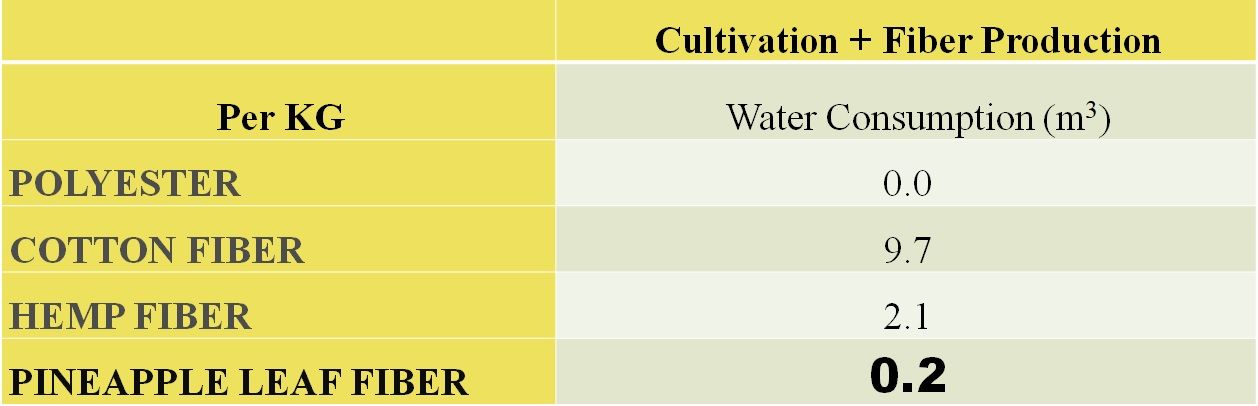 Note: Pineapple leaf fiber belongs to agricultural waste, and no additional water resources have been input. During the fiber taking process, water is currently only used to wash the surface chlorophyll and pectin.*Source: Ecological Footprint and Water Analysis of Cotton, Hemp and Polyester , Stockholm Environment Institute , 2005 , ISBN 91 975238 2 8
Feature Specific
- Pineapple leaf fiber + Recycled polyester raw materials
- Reuse of agricultural waste
- Low carbon emission fabric
- Low water use fabric
- Comfortable handle
- Easy care
- Friendly to the environment
Specification
- Woven
- Pineapple leaf fiber + Recycled polyester fiber
- 150 Denier × Ne12
- Yarn’s Brightness : Semi-dull
| Content | Polyester:53% Recycled Polyester:42.3% PINEAPPLE:4.7% |
|---|---|
| Greige Width (Inches) | 59 |
| Greige Weight g/sm | 217 |
 ECO-Friendly Fabric
 Recyclable Fabric

Popular Products
 Download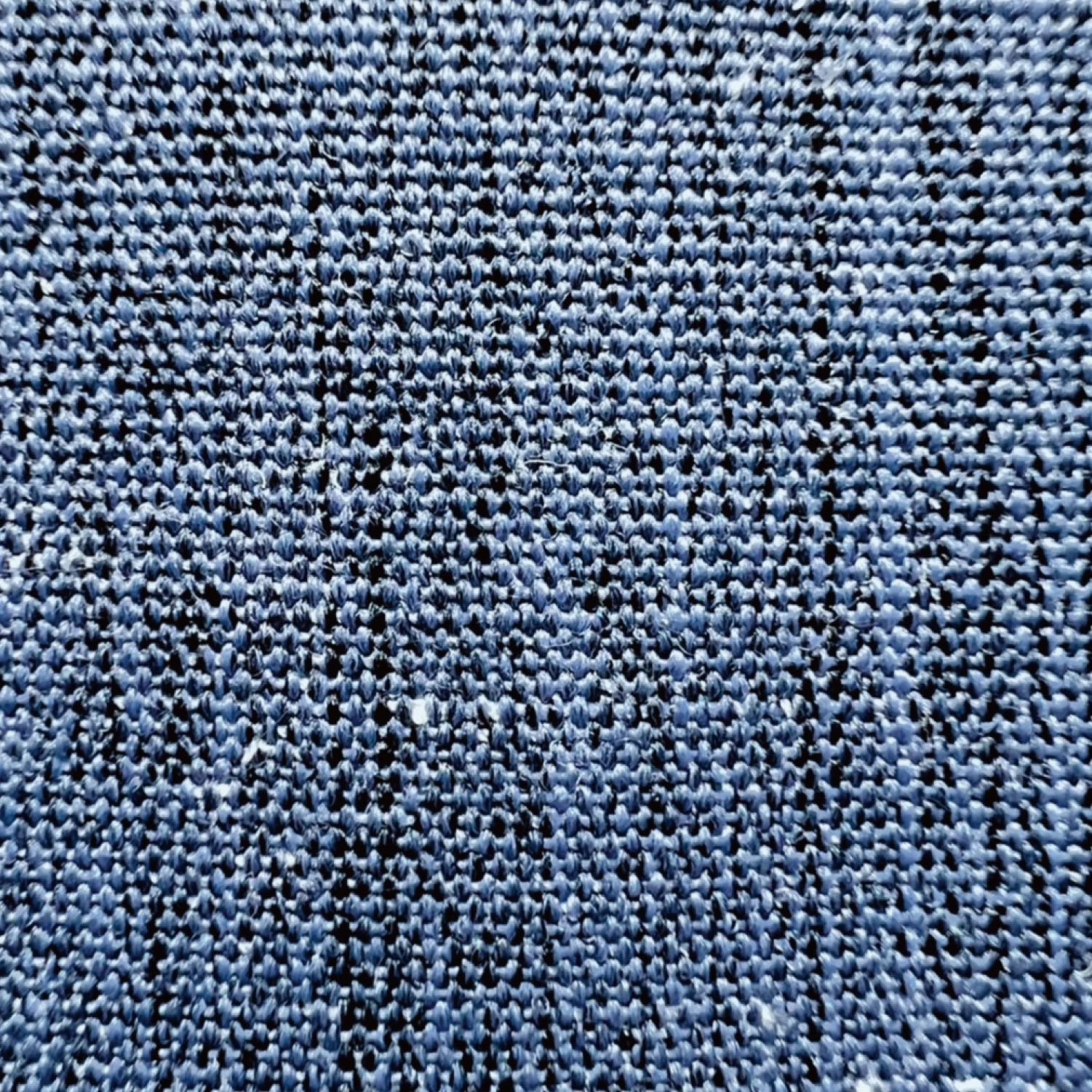
Pineapple leaf fiber made, Recycle & Eco greige | U-long
Located in Taiwan since 1983, U-Long High-Tech Textile Co., Ltd. has been a textile and fabric manufacturer. Their main fabrics and textiles, include Pineapple leaf fiber made, Recycle & Eco greige, high tenacity yarns, industrial and complementary textiles, sustainable and biodegradable textiles, knitted fabrics, woven fabrics and functional fabrics, especially for the functional fabrics, hyperbreeze, 3D structure, anti-odor and durable fabrics are U-long's specialties.
U-LONG was established in 1983 as a core enterprise of Nam Liong Group. Originally founded to produce special industrial fabrics, the company gradually expanded into the field of high-value stretch fabrics through cutting-edge research and development. As being Taiwan largest, greatest and most professional woven stretch manufactory, U-LONG continuously imports diverse advanced computerized manufacture facilities and employs professional specialists. The finished fabric are for various applications including Apparel (Function & Fashion), Bags (Luggage), Shoes, Industrial use, Protection use, and Home textile.
U-long has been offering customers high-quality fabrics and textiles since 1983, both with advanced technology and 48 years of experience, U-long ensures each customer's demands are met.